sfp finance lenders

Our Financial Lending Services

Our finance specialists are experts in the home and investment lending space in Sydney with the knowledge and experience to guide you through the following areas;


What’s involved in the home loan application process?


Step 1

Reviewing your current financial position to understand your borrowing capacity

Step 2

Assessing lenders and finding the most suitable loan for your individual needs

Step 3

Applying for pre-approval with your chosen lender

Step 4

Property search.  We can provide analytical research to assist with the process

Step 5

Making an offer. We will work with your solicitor, conveyancer and accountant to ensure a smooth process. We also work with a panel of trusted professionals if required.

Step 6

Paying the deposit and exchanging contacts

Step 7

Property valuation organised by us and confirmation that you’re happy to proceed with the loan recommendations at pre-approval stage

Step 8

Signing of original loan documents for submission to your chosen lender

Step 9

Loan settlement. We will work with your solicitor throughout the loan draw down and account set up process.


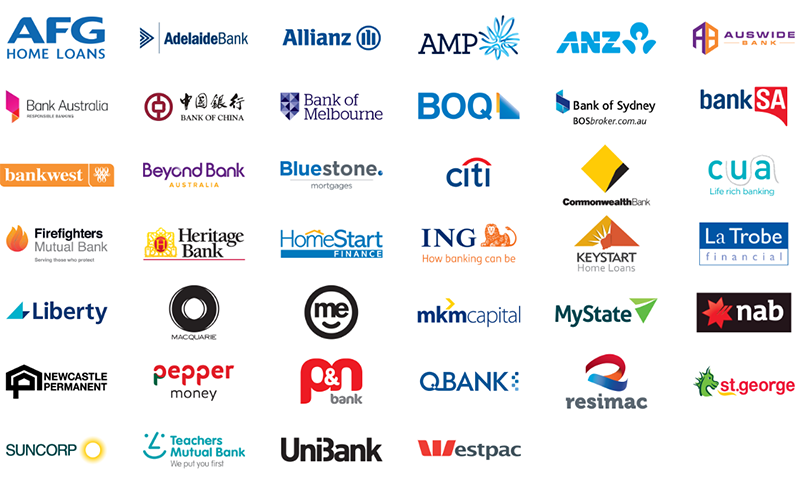
SFP Finance works with a comprehensive range of banks and lenders to ensure we find the right loan for your individual needs. Our Accredited Mortgage Consultant can access a range of lenders including:
sfp finance lenders


Don’t know where to start?

Speak with our Senior Credit Adisor Leigh Morris. Read Leigh’s Profile or contact us on 02 9328 0876 to arrange a meeting.

General Disclaimer: This article contains information that is general in nature. It does not take into account the objectives, financial situation or needs of any particular person. You need to consider your financial situation and needs before making any decisions based on this information. Please seek personal financial advice prior to acting on this information.


First Home Buyers

Looking to buy your first home?

Buying your first home can be one of the most exciting yet daunting experiences in your life. With all the information available online making the right decision can seem overwhelming.

As a first home buyer, you’re going to have lots of questions. How much can I borrow? How much should I borrow? How much deposit do I need? What is Stamp Duty? How does a guarantor loan work?

We’re here to help!

At SFP, we’ve been through the first home buying process both personally and for many happy first home buyers over the years. From the initial meeting to putting the key in the front door, we’ll be with you every step of the way.

Education is key

As a first home buyer, there’s much to learn. SFP’s specialist home loan team takes great pride in putting education first. We spend the time throughout the buying journey to ensure you’re confident with every decision made every step of the way. You’re going to have a lot of questions and we’re able to provide clear and simple answers. There are no silly questions.

Making the first step

We offer an obligation free appointment where we can openly discuss what you’re looking to achieve and put your mind at easy. We’ll be able to provide an estimate of your borrowing capacity and answer any questions along the way.


If you’re ready to get started…

Get in touch, either book an appointment or call us directly on 02 9328 0876. We look forward to meeting you soon!


Home Buyers

Looking to upgrade the family home or downsize for retirement?

There’s often a lot to think about.

  • Do I need to sell my existing home first?
  • How do I align the sale of my existing home and the purchase of my new one?
  • Is bridging finance required to ensure I have a deposit for my new home?
  • What costs are involved in selling and buying?
  • Can I keep my existing home as an investment property?
  • What are the financial implications of my move?

We’re here to help

SFP have been assisting clients with strategic debt advice for over 20 years. Our unique difference is in our wealth of knowledge from both a mortgage broking and financial advice perspective. We’re able to assist with obtaining finance and ensure you receive the correct financial advice to make the right financial decisions in your next big move.

Choosing the right loan

With 1000’s of home loan products available in Australia, it can be difficult to find the right lender and loan for your needs. Our specialist finance team works with a panel of over 30 different lenders including big banks, credit unions and non-branch lenders to ensure we find the right home loan for your individual needs.

Don’t forget the buying & selling costs

There’s a lot to think about when moving home and it’s easy to forget the costs involved in the selling and buying process. Before putting your home up for sale or placing a deposit on a new home, it’s important to assess all the costs to ensure a smooth transition into your new home. Below are some of the costs to consider;

  • Stamp Duty
  • Lenders Mortgage Insurance
  • Real estate agent fees
  • Legal fees
  • Building & Pest Inspection
  • Home and Contents Insurance
  • Property Valuations
  • Moving Costs

Ready to make the move?

We offer an obligation free appointment where we can openly discuss what you’re looking to achieve and put your mind at easy. We’ll be able to provide an estimate of your borrowing capacity and answer any questions along the way.

Please feel free to book an appointment or send us an enquiry. We look forward to meeting with you soon.


Still have some questions?

We can help you work out your borrowing capacity and review your individual circumstances. Either book a meeting or call us directly on 02 9328 0876.


Buying an Investment Property

Looking to buy your first, second or third investment property?

Property investment in Australian continues to be a popular way to build wealth over the long term but care needs to be taken when investing in property and obtaining finance for your investment property purchased.

Lenders treat investment property loan differently to standard home loans which means a different approach needs to be taken. When looking to finance an investment property, the below points need to be considered;

  • Lenders often require a larger deposit for investment property purchase
  • Lenders can have a higher interest rate on investment loans
  • Can I use the equity in my existing property to purchase the new investment property?
  • What is the correct loan structure when looking at my investment property portfolio as a whole?
  • What are the tax implications of purchasing, holding and selling an investment property?

Working with the right people

Investing in property can help building wealth and generate income but property investment isn’t without its risks. It’s important to work with professionals to ensure you’re receive the right advice for your individual needs.

Our specialist finance team works with a panel of professionals such as accountants, solicitors and in-house financial advisers to ensure you receive the right advice. If you’re already working with one or all of the above, we’ll work with them to get the best outcomes for your needs.

Making the first step

We offer an obligation free appointment where we can openly discuss what you’re looking to achieve. We’ll be able to provide you with investment property loan options and answer any questions along the way.

We look forward to meeting you soon.


For some help to get started…

Speak with us to take a fresh look at buying an investment property, either book an meeting or contact us on 02 9328 0876.


Refinancing your home loan

Is refinancing right for you?

If you haven’t reviewed your current home loan lately, chances are you might be paying too much. Interest rates are at an all-time low in Australian, so there’s never been a better time to compare the market and ensure you’re getting the best deal.

Reasons for refinancing

SFP’s home loan specialists can assist with all your refinance needs, including;

  • Comparing the market for a lower rate. A lower rate can lower your monthly repayments, saving you money and increasing cashflow
  • Restructuring your home and investment loans to pay down debts sooner and minimise tax
  • Debt consolidation of personal loans, car loans and credit cards to reduce interest paid and clear debts faster.
  • Unlock equity in your current property to purchase an investment property, fund renovations or free up extra money for further investment.

Making the first step

We offer an obligation free appointment where we can openly discuss what you’re looking to achieve and put your mind at easy. We’ll be able to provide you with refinance options and answer any questions along the way.

We look forward to meeting you soon.


If you’re ready to get started…

Speak with our finance specialist to discuss and review your refinancing needs, either book a meeting or call us on 02 9328 0876.


Home Loan FAQs

Following are some frequently asked questions about home loans and buying property


Your maximum borrowing capacity and the amount you should borrow are often different. Just because a bank or lender is willing to lend you a certain amount, doesn’t mean that amount is right for your individual needs. Determining your maximum borrowing capacity should be carefully assessed by looking at a number of factors including your income and individual spending habits.

When looking at borrowing capacity, the two limiting factors are your savings/deposit and your available cashflow.

Example 1 – If Jenny is looking to by a $600,000 home, has no savings/deposit but has sufficient income to make loan repayments, Jenny would be unable to purchase a property as she is unable to pay for the upfront costs (deposit, stamp duty and other purchase costs).

Example 2 – If Jenny has $200,000 saved but has insufficient income, she would be unable to purchase the property. Although Jenny has enough money to pay for the upfront costs, she would be unable to make the ongoing loan repayments.

In some instances, a family/equity guarantor can be used in place of genuine savings.

To find out more about family/equity guarantors, check out ‘family/equity guarantors’ in our Frequently Asked Questions section.


The below table provides examples of the deposit required to purchase a property. In most instances, if you’d like to avoid paying Lenders Mortgage Insurance (LMI), you’ll need a deposit of 20% or more of the property value.

You may be able to purchase a home with as little as a 5% deposit with the assistance of LMI. To find out more about LMI, check out ‘What is Lenders Mortgage Insurance’ in our Frequently Asked Questions section.


Purchase price of property

Minimum deposit required

Without Lenders Mortgage Insurance (LMI)

Lenders Mortgage Insurance (LMI) required

20% deposit

5% deposit


$1,500,000


$300,000


$75,000


$1,000,000


$200,000


$50,000


$750,000


$150,000


$37,500


$500,000


$100,000


$25,000

* the above table does not take into consideration additional purchase costs associated with buying a property.


Stamp duty is a tax charged by the state government when purchasing a property (also known as transfer duty). The amount of tax charged can differ depending on a number of factors, including; property value, property location and available grants and/or schemes the state government offer.

In NSW, first home buyers have access to the First Home Buyers Assistance Scheme (FHBAS) which provides a stamp duty exemption for first homes valued up to $650,000 and a partial stamp duty exemption for first homes of up to $800,000.

To find out more above the ‘First Home Buyers Assistance Scheme (FHBAS)’, check out the latest information on the  on the NSW Government Revenue – Grants and Schemes website.


A guarantor home loan allows parents to assist their child(ren) in purchasing a home by using the equity in their home or investment property in place of savings. This can assist first home buyers to get into the market sooner as the first home buyer doesn’t have to save the full 20% deposit.

When a guarantor uses their equity in place of a deposit, they are essentially putting up a portion of their home as collateral so the lender we accept the loan application. As this is the case, guarantor loans need to be handled with care and all parties need to ensure they fully understand the risks involved.

Guarantor loans can be a great way for young people to buy their first home but it’s important to speak with your mortgage broker and obtain legal advice before applying for a loan.


Lenders Mortgage Insurance (LMI) is a premium charged by the lender when borrowing more than 80% of the property value (having less than a 20% deposit). LMI is not a set dollar amount and will fluctuate depending on the loan balance and the amount of deposit available. 

Example – Matt wants to purchase a $700,000 home and has $70,000 saved for a deposit. A lender may accept the 10% deposit but will charge Matt an LMI fee of $15,000 due to the increased risk the lender is taking on. Many lenders capitalise the LMI fee into the loan so in Matt’s case, the total loan amount would be $630,000 + 15,000 LMI fee ($645,000)

LMI increases the loan balance which increases the interest charged by the lender so before taking out a loan with LMI, it’s important to obtain professional advice to ensure LMI is right for your individual needs.


The Principle & Interest repayments structure means that you’re paying down the loan over the loan term, whereas Interest Only means you’re only paying back the interest to the bank.

If you make P&I repayments, your loan balance will slowly reduce until the loan is fully repaid. If you make Interest Only repayments the loan balance will not reduce until the repayment structure is changed to include principle repayments.

There is no one correct loan repayment structure so it’s important to discuss your options to ensure your loan is tailored to your individual needs.


A fixed rate loan means that the interest rate is fixed for the fixed rate term. Usually, fixed rate loans can be set for between 1 and 5 years. In that time, your monthly repayment will be the same each month until the term comes to an end.

A variable rate loan means that the interest rate can move up or down depending on the market and the lenders decision. This means that your repayments can fluctuate up or down throughout the life of the loan.

There is one right answer when it comes to fixed or variable repayments and determining what’s right for your individual needs will depend on your personal outlook, your financial goals and the financial market.